Often times, artistic careers are swept to the side and regarded as hobbies. Due to this, some passions aren’t pursued because people aren’t aware of what possibilities lie in the art world.
In collaboration with the Futures Lab, art teacher Michelle Dyson wanted to highlight working artists with an Artist Talk. The event was organized in order to give students the chance to discover some of the opportunities that an creative profession can offer, with or without a degree.
“She was very active here in school with the art club and murals. She always painted,” Dyson said. “And then I thought, ‘Well, have we ever done anything for kids who maybe want to go into fashion or want to do something environmentally friendly?’ So there’s a lot of different pieces that go into it.”
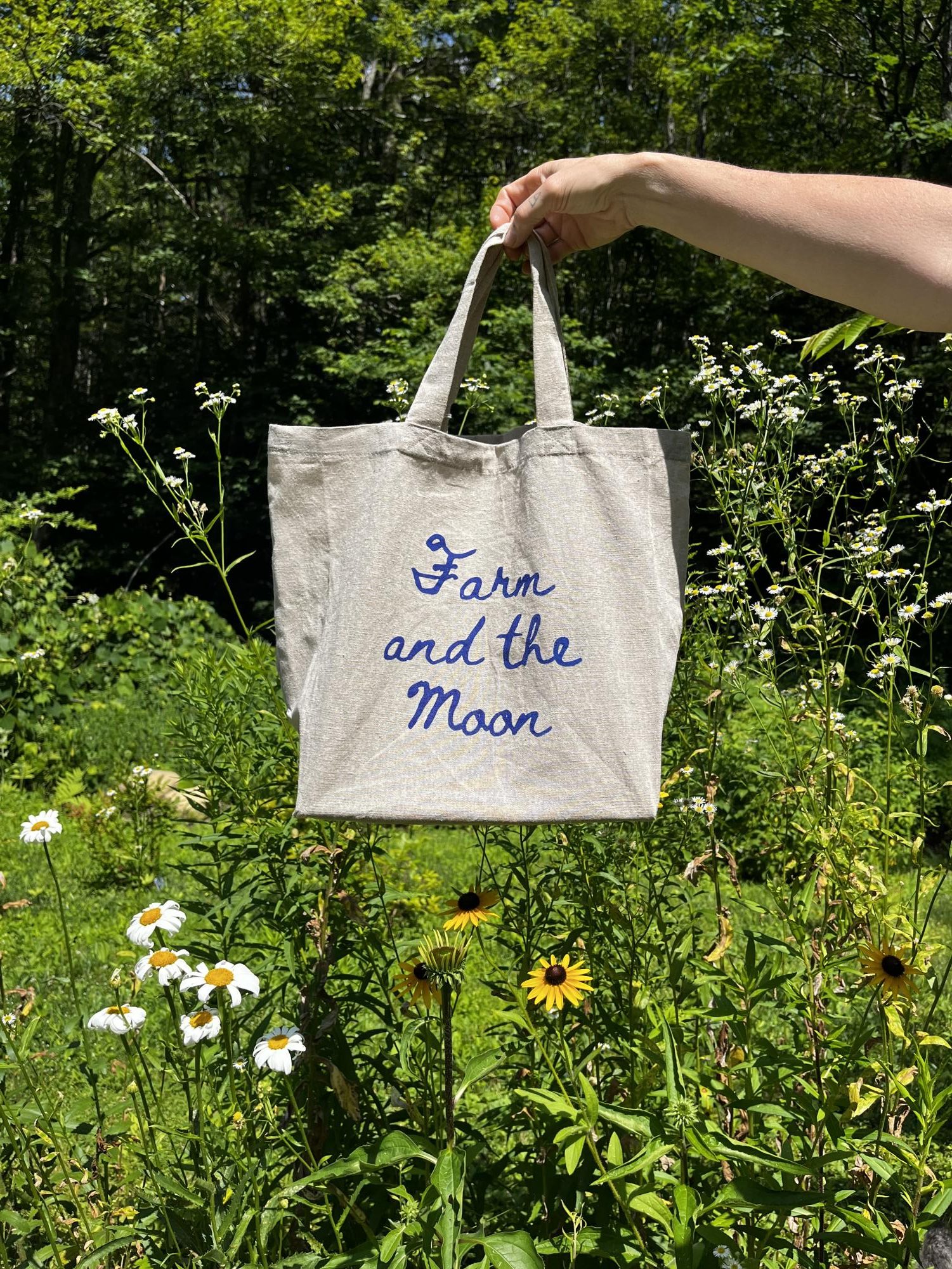
Binette started her artistic journey in the halls of LHS, and, years later, she is still creating art. Binette now creates wearable art in her own studio in her farmhouse. All the fashions she creates are entirely made of secondhand materials, even down to the threads and the needles on her sewing machine.
“All the textiles that I find are all vintage, deadstock or secondhand,” Binette said. “Once material is acquired I see what it needs and listen to what the textile is doing based on texture, fabric composition, pattern, color and size.”
Binette attended Maine College of Art and Design, where she studied painting and art history. After moving back to New Hampshire following college, she wanted to try something new and “create something tangible,” which is when she started sewing and creating upcycled clothing, from materials that she is “definitely inspired by.”
“My first step of designing a garment [is knowing] how I’m going to finish it before I start cutting, so I can account for certain measurements and cuts,” Binette said. “Then, everything gets sewn together.
Though sewing and creating is a “passion” and creative outlet for Binette, it’s still a full-time job and a business that needs running.
“It might look like I’m just playing in my studio all day,” Binette said. “But running a business is a lot of work. I’m still learning and so for me, I’m really working everyday.”
The art journey that started with painting and visual arts has evolved into a career of making one-of-a-kind clothing pieces out of recycled materials.
As Binette continues to run a business driven by a blend of enthusiasm and entrepreneurship, she said it fulfills her need to “have ownership over” her business and be able to do “anything [she wants].” She likes having freedom over how the business looks and what goals she pushes to achieve.
“I would like any aspiring artist to know that it’s important to not stop making things,” Binette said. “Making art in general is important, and I hope that this event inspires someone to keep going and creating.”