Most students can explain the difference between a simile and a metaphor, but ask them how to file taxes or open a bank account and you’ll probably get a blank stare.
Somewhere between learning algebra formulas and analyzing Shakespeare, the part where we learn how to actually function as adults seems to have gone missing.
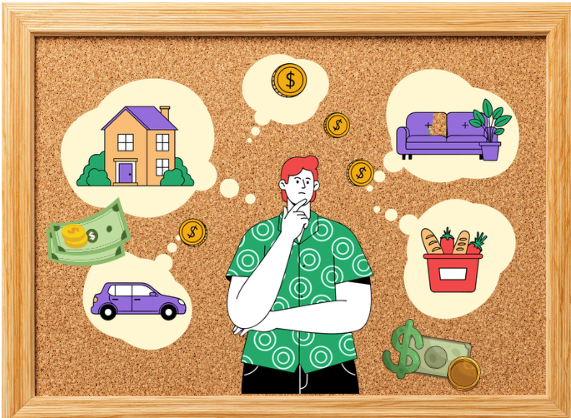
The reality is that many students graduate without knowing how to manage money, build credit, pay bills or make basic financial decisions. These aren’t “extra” skills—they’re things everyone will need at some point, no matter what career they choose. Yet instead of being treated as essential, they’re often pushed aside or turned into optional classes that not everyone takes.
Schools do offer electives like business for example, but that’s exactly the problem—they’re optional. If something is truly important for every student’s future, it shouldn’t depend on whether they happen to choose the right elective or have room in their schedule.
There’s also this belief that parents should teach these things at home. While that sounds reasonable, it doesn’t always work in reality. Not every student has access to the same guidance, and not every parent has the time, resources or knowledge to teach things like taxes, credit or financial planning.
School is already meant to prepare students for adulthood, so it makes sense to include the skills needed to actually navigate adult life.
There’s also the assumption that students will just figure it out on their own. But “figuring it out” often means making avoidable mistakes: like accidentally committing tax fraud or thinking a credit card is just free money.
Trial and error might work for small things, but it’s not the best way to learn how to manage finances.
Adding real-life skills into the standard curriculum wouldn’t just make school more practical—it would make it more honest.
If the goal of education is to prepare students for the future, then ignoring the skills they’ll actually use every day doesn’t make sense.
Students are expected to walk out of school ready for adulthood without some of the most essential tools to handle it. Making real-life skills a required part of education isn’t about adding to student’s plates, but about making sure they leave school prepared for the life they’re stepping into.