For students who struggle with speaking up about their battles with mental health, suffering in silence may seem like the easiest solution; but it is not.
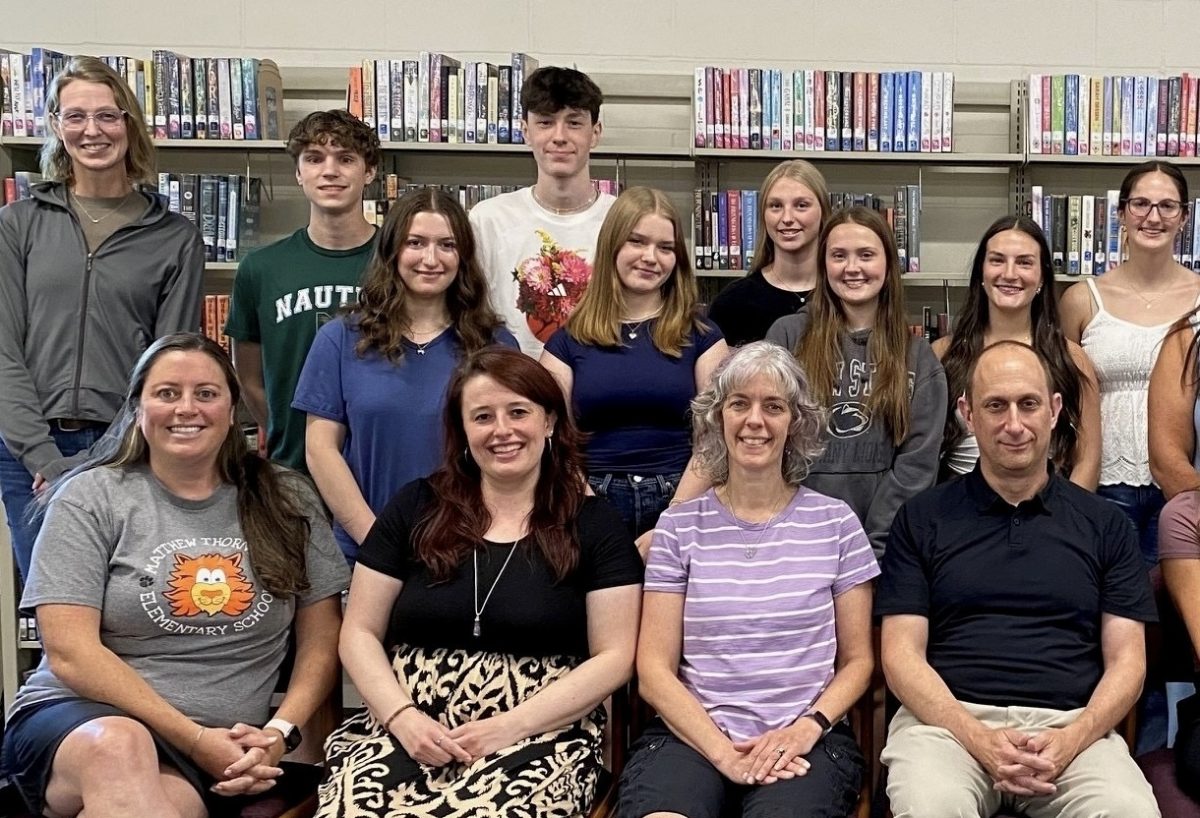
With the aim of de-stigmatizing conversations about mental health and suicide, LHS staff and involved students recently took action by gathering for an introductory training, which the National Alliance on Mental Illness (NAMI), a non-profit organization, gave this past summer on July 22 and 23. This training taught members how to educate others on the impact of mental health and to make suicide a topic that is easier to talk about.
According to nami.org, NAMI’s goal as an organization is to “provide education and offer support to individuals, families, and communities affected by mental illness.”
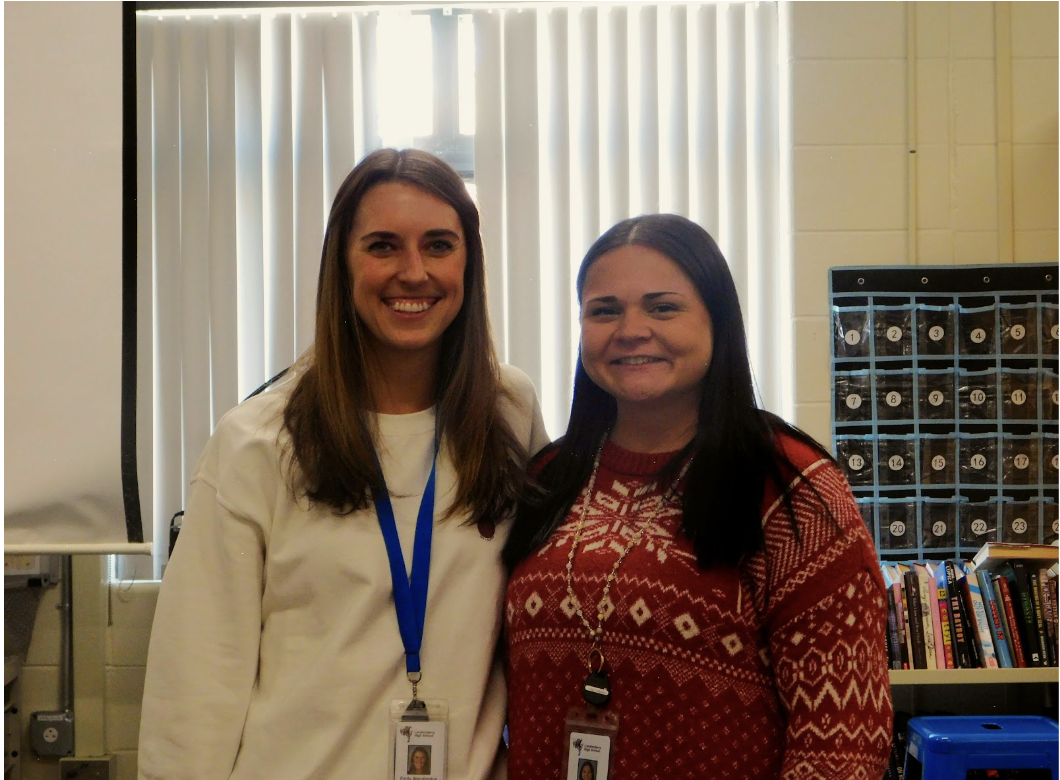
LHS school-to-community counselor Katherine Buell was one of several staff members who attended the training this summer.
“I’m hoping this training helped all [the trainees] educate the Londonderry community and [be able to] support others who are struggling with their mental health,” Buell said, “and let them know that they are not alone.”
The training consisted of two days of group collaboration and activities run by an ambassador from NAMI, Ann Duckless. The first day was only for chosen staff and district members, while the second day included a select number of students.
Administrators recommended students and staff based on their previous leadership experience or related involvement in social emotional learning.
Junior Madelyn Murray was recommended by a teacher, and during the training she enjoyed “getting to work with teachers as well as students.”
“It really showed how much collaboration can make an impact in suicide prevention,” Murray said, “and how all ages are willing to help.”
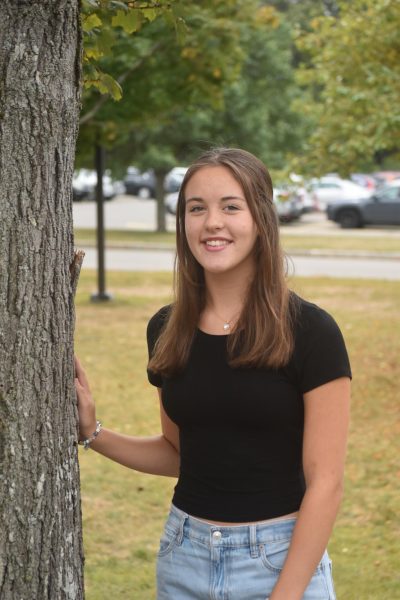
Another student junior Gabby Wrisley was chosen for her participation in various extracurriculars related to mental health, such as Bring Change to Mind and the Wellness Committee.
“Honestly, the training was not what I expected it to be like,” Wrisley said. “Because of the seriousness of the topic, I figured the training would be more somber, but it was more uplifting and hopeful instead.”

Photo by Gill Rosen
Ann Duckless ran light-hearted activities all while incorporating the core principles of suicide prevention such as how to recognize signs of suicide and how to connect with those at risk.
“I enjoyed making the list of signs and symptoms of depression the most,” Murray said. “Everyone was able to share ideas and add to the overall discussion in ways some wouldn’t even think of.”
Duckless also managed to weave powerful metaphors into her teaching. For example, she compared the perspective of someone facing suicidal thoughts to falling into quicksand: sinking quickly and wanting help from others without dragging them into the sand also. This example, according to Wrisley, was “both engaging and educational.”
“That really changed my perspective on how to better help people,” Wrisley said. “I got a more complex understanding of the whole topic in general.”
The most important part of helping those in “the quicksand” is identifying what Duckless called the “risk factors and positive factors” in their lives.
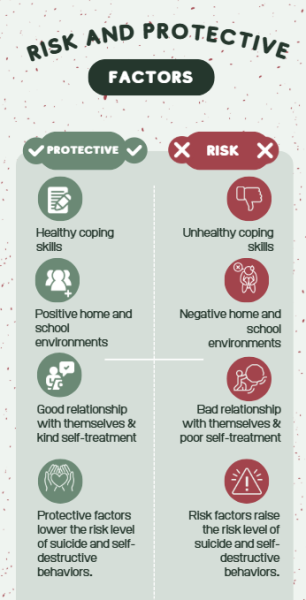
This way, one can recognize how to help those struggling without falling victim to suicidal thoughts themselves.
“We got more in-depth information in regards to signs of young people who might be struggling with their mental health,” Buell said. “We discussed how to approach the situation and attend to the young person’s needs during a crisis situation, along with barriers, judgement, and stigma.”
Buell said she liked the open conversations that happened during the training, and she found it was “helpful to see everyone’s perspectives of a situation.”
“Coming from a mental health perspective is coming from a different lens than someone who does not have the training and experience,” Buell said.
She said it was “really helpful” to see other perspectives and be able to work with those who “might have the same training and experience” as she does to help those who need it.
As she continues to help others and learn more ways to do so, Buell said she appreciates the knowledge Duckless.
“I have had the privilege of working with Ann Duckless on tragic and non-tragic situations at LHS and her knowledge, support and guidance is beyond words,” Buell said. “I am looking forward to continuing to work with her to educate others on suicide prevention.”
With the help of NAMI, this training is just one step in LHS’s road toward de-stigmatizing talking about suicide. Throughout the year, there will be additional suicide prevention trainings, where those who attended the summer training, now called “ambassadors,” will teach others in the school community what they learned.
Buell hopes the training will inform people about what to look for.
“Not everyone shows typical signs of a mental health struggle,” Buell said. “[People’s] mental health struggles will not always look the same, so they have to handle it differently.”
Along with Buell, students like Wrisley hope this educational opportunity has a positive outcome for people.
“I hope our community becomes more understanding and compassionate,” Wrisley said. “I hope that people struggling [will] feel comfortable and safe to get the help they need. With that, I hope that people become more aware of the support and resources the community has.”
If trainees could take one thing away from the learning experience, it would be that talking about suicide is one of the most effective ways to prevent a loss, especially in younger generations.
“Mental health is such a gray area, and that’s difficult for people,” Buell said. “It is important to make people feel more comfortable with having the conversation about mental health and suicidal thoughts in young people.”
As LHS continues future training with the help from NAMI, involved staff and students aspire to see change in the community.
“I really hope to see a more educated community that prioritizes mental health and being available for someone if they need help,” Murray said. “Lending a hand to someone, even as an acquaintance, can truly make an impact.”